Keynote
Speakers
FEMS MICRO Ljubljana 2027 will feature internationally recognised keynote speakers from leading institutions across Europe and beyond, bringing perspectives that reflect the breadth of microbiology and its connections with health, technology, the environment and society.
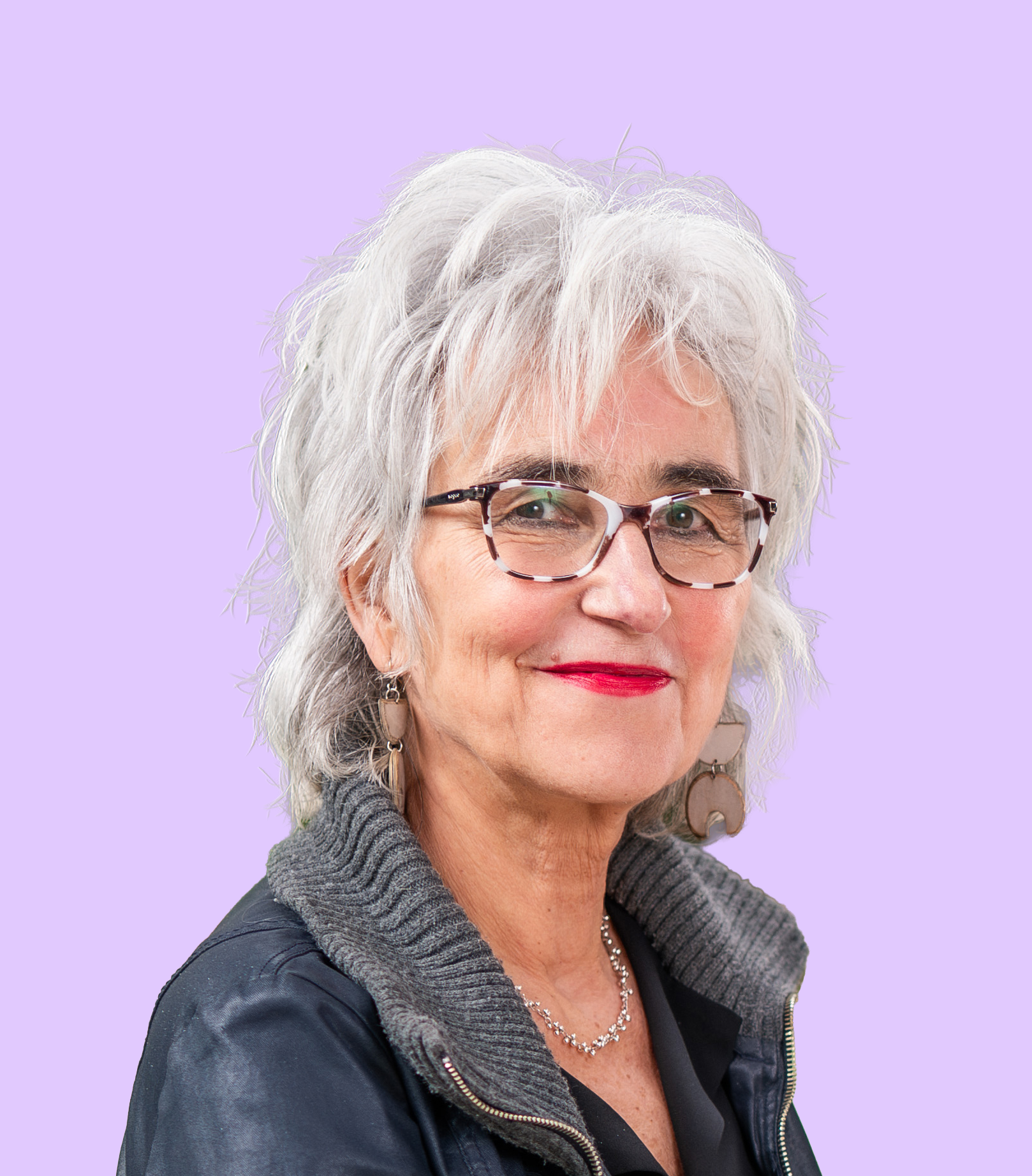
Prof.
MARION KOOPMANS
Prof. Marion Koopmans is a leading virologist whose research focuses on emerging infectious diseases, with a particular emphasis on understanding how viruses emerge and spread at the human-animal interface. Her work combines virology, epidemiology, and One Health approaches to improve pandemic preparedness, disease surveillance, and public health responses. She has been instrumental in building international research networks to study infectious diseases at scale, including initiatives focused on early-warning surveillance and emerging infectious disease preparedness.
Opening Keynote Lecture, Monday 5 July
Erasmus MC, The Netherlands
Research interests: Virology
She is Professor of Virology at Erasmus Medical Centre, Director of the WHO Collaborating Centre for Emerging Infectious Diseases, and founder of the Pandemic and Disaster Preparedness Centre (PDPC). Her achievements include membership of the National Academies of Science of both the Netherlands and the United States, receiving the prestigious Stevin Award, and being appointed Commander in the Order of Orange-Nassau.
During the COVID-19 pandemic, she advised the Dutch government, the WHO, and the European Commission, and was recognised for her public engagement with the Machiavelli Award and the Iris Award for Science Communication.
Prof. Koopmans has co-authored more than 800 scientific publications, cited over 100,000 times.
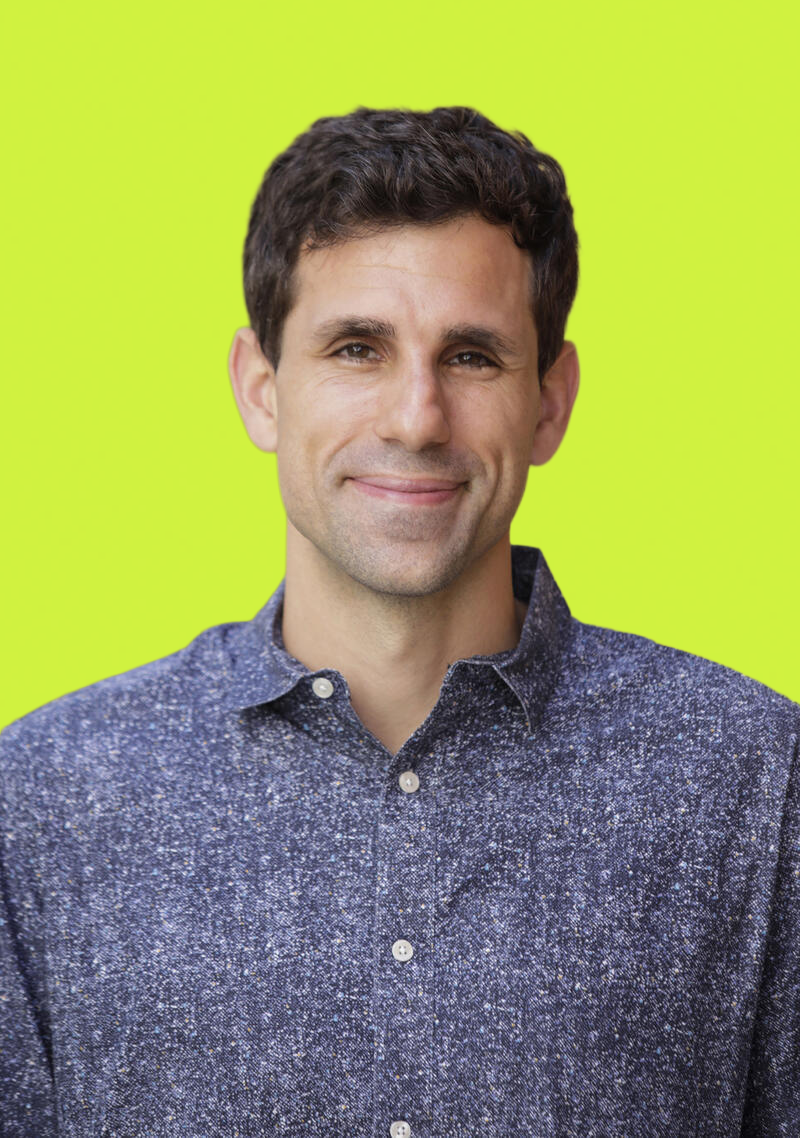
Prof. César de
la Fuente
Keynote Lecture, Tuesday 6 July
University of Pennsylvania, Philadelphia, USA
Research interests: AI and experimental platforms at the intersection of microbiology, computation, engineering, and chemistry to understand and engineer biological systems.
Prof. César de la Fuente is a Presidential Associate Professor at the University of Pennsylvania and Director of the Machine Biology Group. His research focuses on developing artificial intelligence and experimental technologies to uncover the fundamental principles of biology and translate them into new medicines.
He is internationally recognized for pioneering computational approaches to antibiotic discovery, including methods that identify candidates in hours rather than years by searching information encoded across the tree of life.
His achievements include publishing more than 200 peer-reviewed papers, receiving over 80 major honors, including the Princess of Girona Prize and the Fleming Prize, and was elected a Fellow of the American Institute for Medical and Biological Engineering as one of its youngest inductees.
His research has led to the discovery of antimicrobial molecules from diverse sources, including the human microbiome, ancient organisms, extinct species, and venoms, while helping to establish the field of molecular de-extinction. He is also among the youngest tenured professors in Penn Medicine's history.

Prof. Liane G. Benning
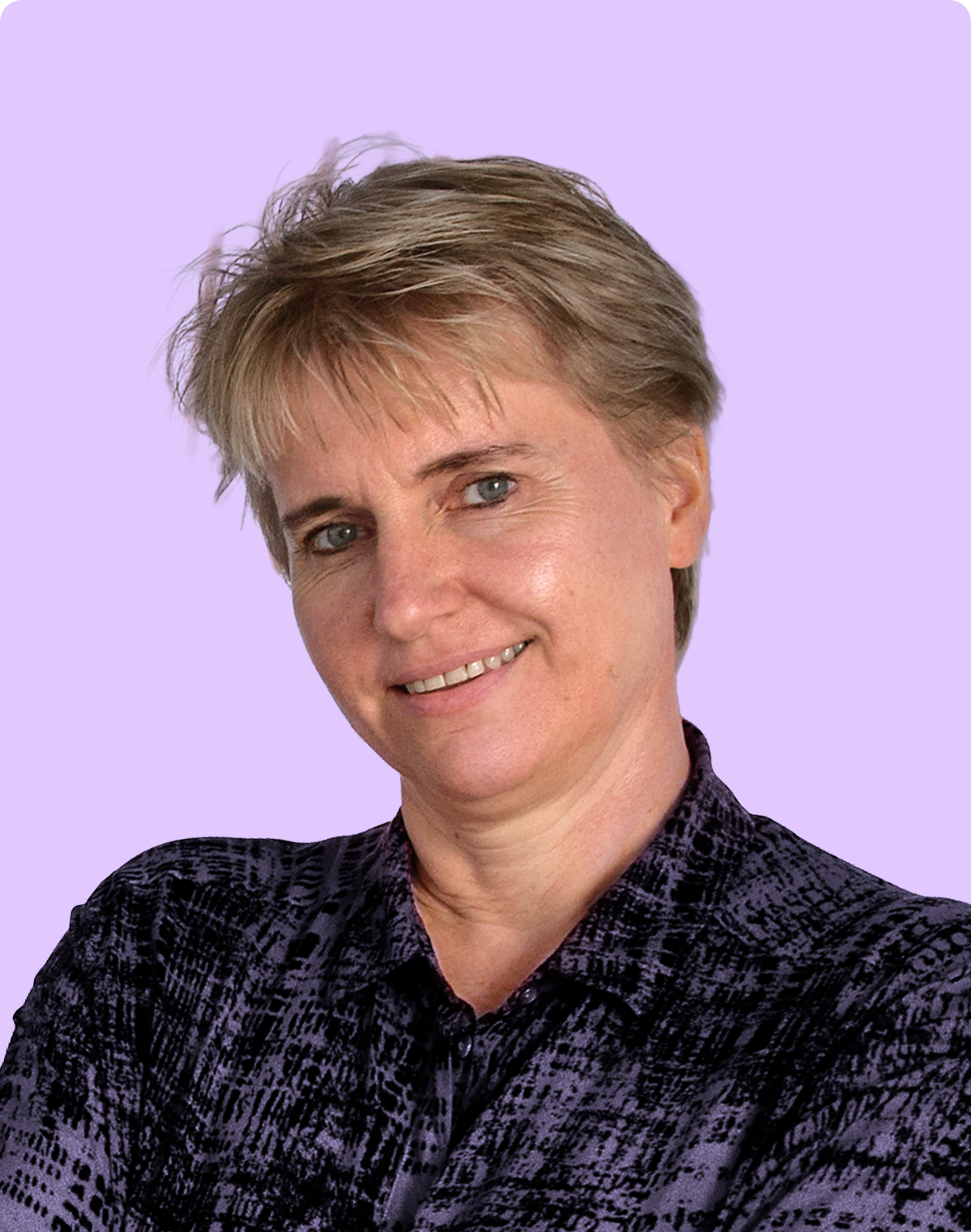
Keynote Lecture, Wednesday 7 July
GFZ, Helmholtz Centre for Geosciences, Potsdam, Germany
Research interests: Minerals, Microbes and Microscopes
Prof. Liane G. Benning leads a highly international, dynamic, and interdisciplinary team of early-career researchers within the Interface Geochemistry section at the GFZ. Her team investigates research questions that span biogeochemistry, materials science, chemical physics, and inorganic geochemistry.
Their work focuses on the quantitative understanding of the interfacial reactions that drive and regulate biogeochemical processes shaping Earth's surface and near-subsurface environments, from the nanoscale to the global scale.
By integrating experimental and field-based approaches with state-of-the-art analytical electron and X-ray characterization techniques, Prof. Benning and her team generate fundamental insights into interfacial reactions and their influence on the cycling of carbon, nutrients, and trace elements in both abiotic and biotic systems.

Prof. John Cryan
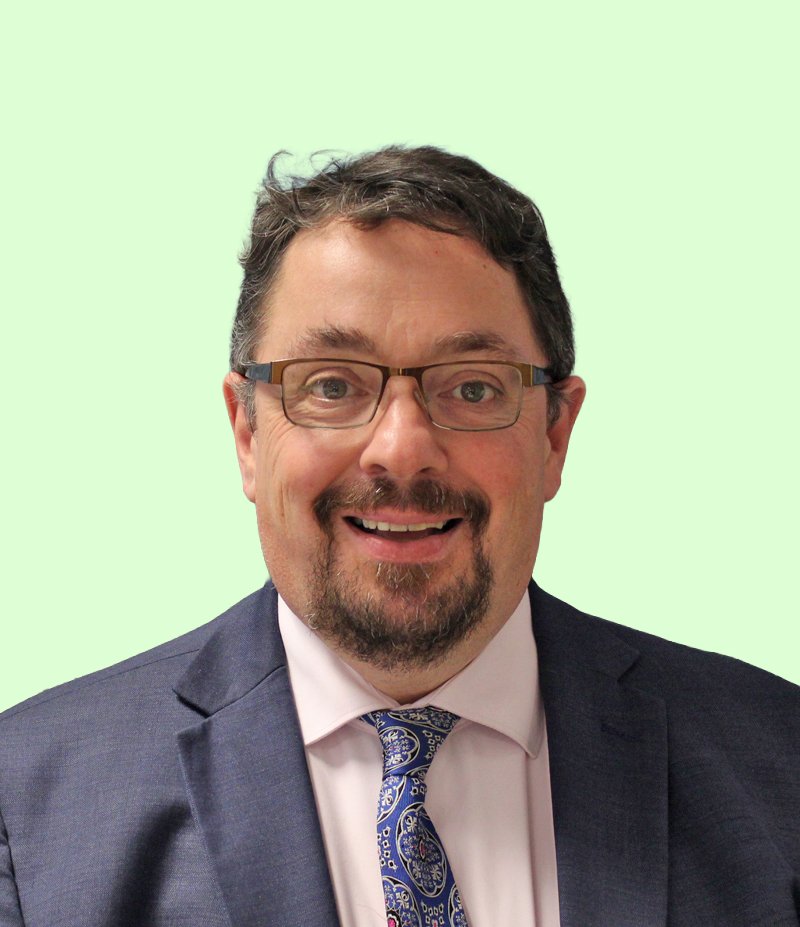
Closing Keynote Lecture, Thursday 8 July
University College Cork, Ireland
Research interests: Microbiome, neurobiology, stress, neuropharmacology
Prof. John Cryan is a leading neuroscientist whose research focuses on the microbiome-gut-brain axis and its influence on stress, mental health, immune function, and brain development across the lifespan. His work has been instrumental in advancing understanding of how interactions between the gut microbiome and the brain contribute to psychiatric, neurological, and immune-related disorders, helping to establish the field of psychobiotics and microbiome-based approaches to health and disease.
He is Professor and Chair of the Department of Anatomy & Neuroscience at University College Cork (UCC), Vice President for Research & Innovation, and a Principal Investigator at the APC Microbiome Institute. His achievements include co-authoring the bestselling book The Psychobiotic Revolution, serving on more than 15 editorial boards, receiving numerous international awards, and being elected to the Royal Irish Academy in 2017.
A former President of the European Behavioural Pharmacology Society and current Treasurer of the European College of Neuropsychopharmacology, he is also a prominent science communicator who has delivered TEDMED and TEDx talks and featured in the Netflix documentary Hack Your Health: The Secrets of the Gut.